 Finance with Cherry
OTC Hearing Aids
What OTC Hearing Aids Can — and Can't — Do
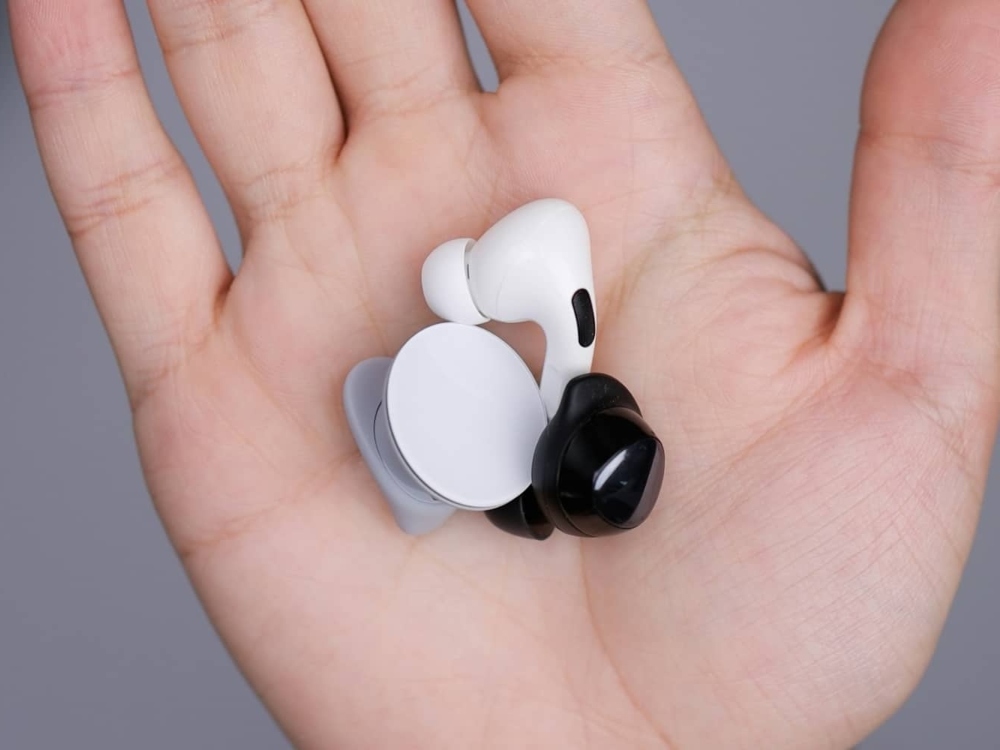
Since the FDA's 2022 ruling, over-the-counter hearing aids have been sold directly to adults without a prescription or audiologist visit. These devices are designed exclusively for adults 18+ with self-perceived mild-to-moderate hearing loss and rely entirely on self-fitting apps — no audiogram, no custom programming, no real-ear verification. That may sound convenient, but it also means there's no professional confirmation that the device matches your actual hearing profile, or that your loss even falls within the range OTC devices are built to address.
Why Prescription Hearing Aids Deliver Better Outcomes
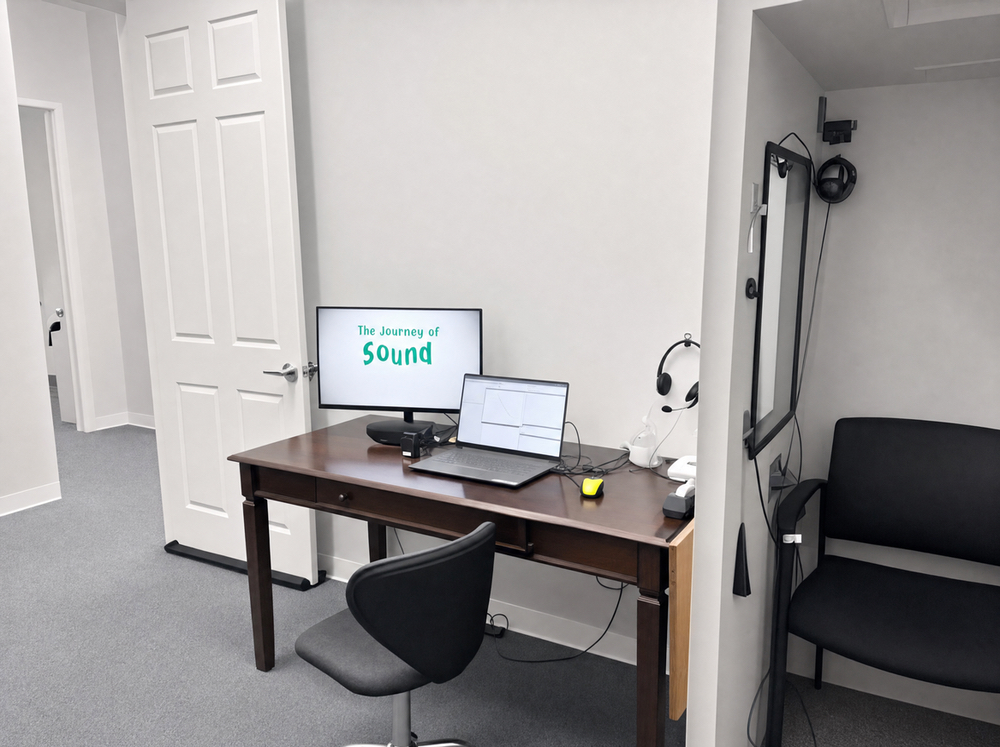
Prescription hearing aids from a Doctor of Audiology are programmed to your exact audiogram using real-ear measurement — the gold standard that verifies the right level of amplification is reaching your eardrum at every frequency. They cover the full spectrum of hearing loss from mild to profound, include tinnitus management programs, and come with ongoing professional support: follow-up care, fine-tuning, and repairs throughout the life of the device. OTC aids offer none of that. The difference isn't just better sound — it's genuinely better hearing healthcare.
Prescription vs. OTC: Common Questions
Honest answers about the differences between OTC and prescription hearing aids — and what those differences mean for your long-term hearing health.
OTC hearing aids are self-fitted, one-size-fits-most devices with a fixed amplification range tuned for self-perceived mild-to-moderate adult hearing loss. There is no audiogram, no professional programming, and no follow-up care — you configure them yourself through a smartphone app. They cannot address severe or profound loss, tinnitus, single-sided loss, or asymmetric hearing, and there's no mechanism to verify they're amplifying correctly for your specific ear.
Prescription hearing aids are programmed to your individual audiogram by a Doctor of Audiology using real-ear measurement, custom-fit to your ear anatomy, and supported with ongoing care throughout the life of the device. They cover the full range of hearing loss and include specialty features OTC devices cannot replicate. For anyone with a measurable hearing loss, the difference in outcomes is significant.
The FDA's OTC category is limited to adults 18 and older with self-perceived mild-to-moderate hearing loss. The critical word is "self-perceived" — OTC regulations are built around what you think your hearing loss is, not what an audiogram actually shows. Many adults who believe their loss is mild discover on testing that it's moderate-to-severe, asymmetric, or complicated by a treatable medical condition.
OTC devices are not appropriate for children, anyone with sudden or rapidly changing hearing loss, single-sided loss, severe or profound loss, tinnitus, ear drainage, or a history of ear surgery. A diagnostic hearing evaluation with a Doctor of Audiology is the only reliable way to know which category you fall into — and whether prescription hearing aids are the right tool. Call (941) 342-9494 to schedule one.
Yes — and not just because the law has changed. A diagnostic hearing evaluation tells you exactly where your hearing sits at every frequency, in both ears, and against speech in noise. That data is what separates a hearing aid that genuinely helps from one that simply makes everything louder.
The exam also identifies conditions that amplification can't fix: earwax buildup, a perforated eardrum, sudden sensorineural loss that warrants urgent ENT referral, or asymmetry that may indicate an underlying medical issue. Skipping the evaluation and buying devices first is a gamble — often an expensive one. Call (941) 342-9494 to schedule a comprehensive hearing evaluation with our Doctor of Audiology before making any hearing aid decision.
Hearing aids purchased online or off a shelf have no way to account for the shape of your ear canal, the specific pattern of your hearing loss across frequencies, or how your hearing changes over time. Real-ear measurement — performed only by a Doctor of Audiology — verifies that the device is actually delivering the right sound level to your eardrum. Studies consistently show it produces significantly better speech understanding outcomes compared to self-fitting.
Beyond the fitting, prescription hearing aids from Physicians Hearing Clinic include the ongoing relationship: follow-up adjustments as your hearing changes, in-office repairs, remote programming, and a licensed audiologist who knows your hearing history. Over the life of a hearing aid, that level of care is what separates devices that sit in a drawer from ones that patients wear every day.
60-Day Hearing Aid Exchange Period
Every set of prescription hearing aids fitted at Physicians Hearing Clinic is backed by a 60-day exchange period. Wear your devices at the office, the theater, the pickleball court, and at home — if they aren't quite right within 60 days, bring them back and we'll swap them for a different model, or return them for a refund if no device is the right match. Real life is the only test that counts.
Patient Reviews
Hear from Sarasota, FL patients who trust Physicians Hearing Clinic for expert audiology care — rated 5.0/5 across 21+ Google reviews.
Reconnect with the Moments That Matter — Book Today
Trusted by Sarasota families for 25+ years — six hearing-aid brands, custom earmolds, and care for locals and seasonal residents alike.
Better Hearing, Brighter Days
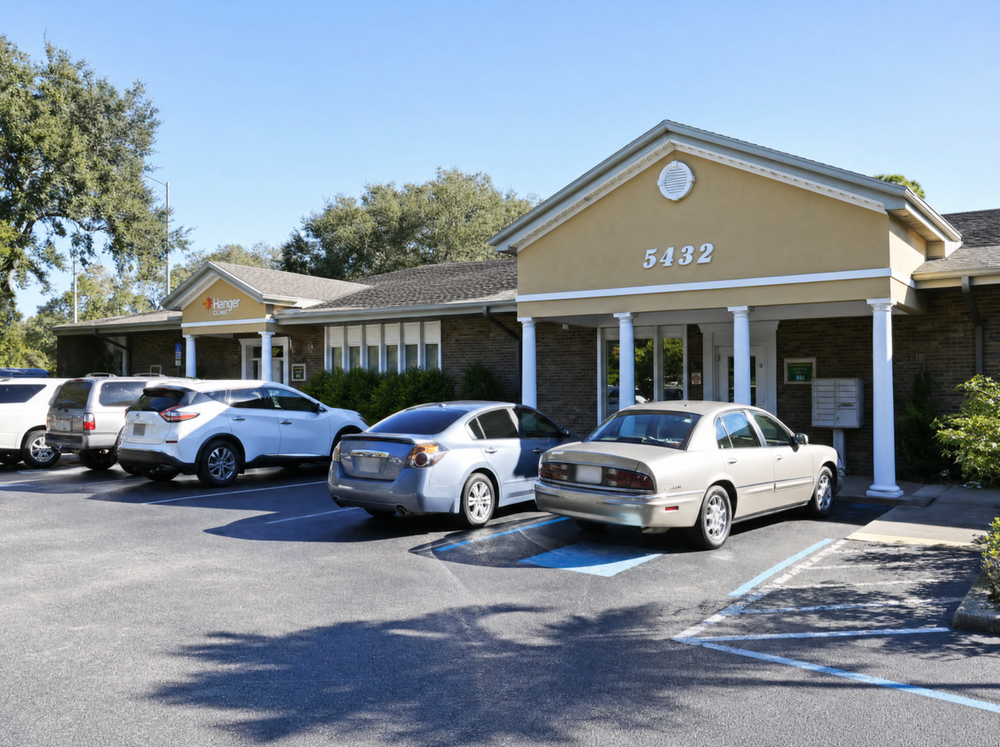
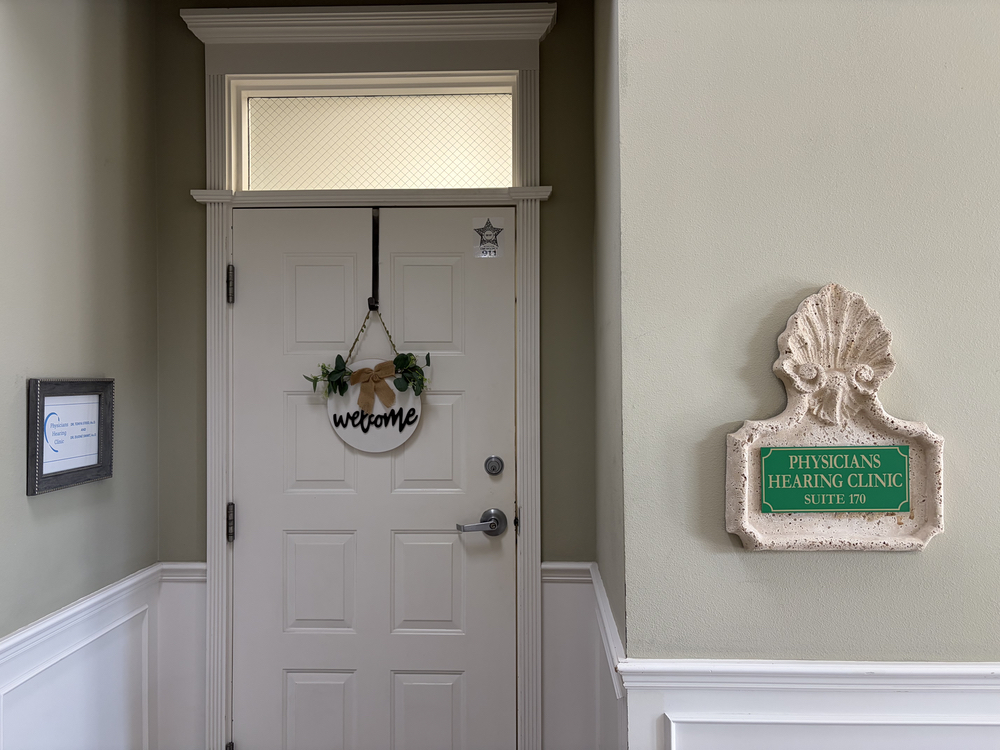
For 25+ years, Sarasota families have trusted Physicians Hearing Clinic for honest, doctor-led audiology care. Call to schedule your hearing evaluation, or stop by our Bee Ridge Road office in Sarasota.
| Address | 5432 Bee Ridge Road #170, Sarasota, FL 34233 |
| Phone | (941) 342-9494 |
| Office Hours | |
| Monday | 9am to 4:30pm |
| Tuesday | 9am to 4:30pm |
| Wednesday | 9am to 4:30pm |
| Thursday | 9am to 4:30pm |
| Friday | 9am to 4pm |
| Saturday | Closed |
| Sunday | Closed |